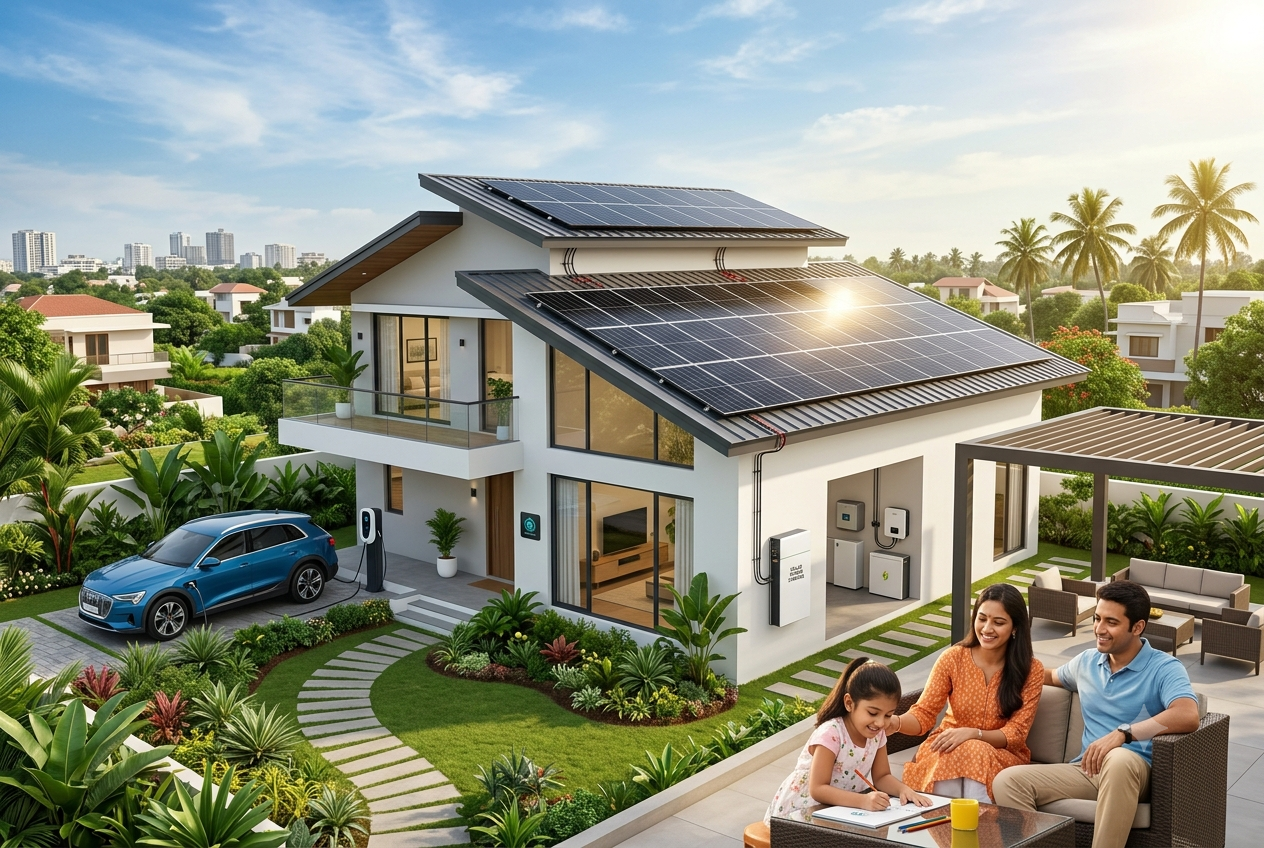
Solar energy has become one of the most reliable solutions, offering long-term financial savings, greater energy independence, and a cleaner way to power everyday life. Installing solar panels is no longer just an environmentally conscious decision—it is a strategic investment that delivers value for years to come.
Understanding How Solar Panels Work
Solar panels convert sunlight into electricity using photovoltaic (PV) cells. During daylight hours, these cells capture sunlight and generate direct current (DC) electricity. An inverter then converts this into alternating current (AC), which powers household appliances, lighting, and electronic devices. Any excess electricity may be stored in a battery system or exported to the electricity grid, depending on the system design and local regulations.
Key Benefits of Installing Solar Panels
Lower Electricity Bills:
One of the biggest reasons homeowners choose solar energy is the opportunity to reduce electricity costs. By generating power on-site, households rely less on the grid, helping to lower monthly utility bills. Over time, these savings can offset a significant portion of the installation cost.
Long-Term Financial Value:
A well-designed solar power system can operate efficiently for decades with minimal maintenance. Since sunlight is a free energy source, the ongoing cost of generating electricity remains low after installation. This makes solar panels a cost-effective long-term investment.
Environmentally Friendly Energy:
Solar energy produces electricity without emitting greenhouse gases during operation. By switching to renewable energy, homeowners can reduce their carbon footprint and contribute to cleaner air and a more sustainable future.
Increased Property Appeal:
Energy-efficient homes are becoming increasingly attractive to buyers. A property equipped with a professionally installed solar system may stand out in the market due to its potential for lower energy costs and modern infrastructure.
Is Your Home Suitable for Solar?
Most residential properties can benefit from solar panels, but several factors influence system performance, including:
Roof orientation and angle
Available roof space
Shade from nearby trees or buildings
Local climate and sunlight availability
Household electricity consumption
A professional site assessment helps determine the ideal system size and expected energy production.
Common Misconceptions About Solar Energy
"Solar panels only work on sunny days."
Solar panels generate electricity whenever there is daylight. Although production is higher under direct sunlight, modern systems continue to produce energy during cloudy conditions.
"Solar systems require constant maintenance."
Routine maintenance is generally simple. Occasional cleaning and periodic inspections are usually enough to keep a system operating efficiently.
"Solar panels are too expensive."
While the initial investment can seem significant, declining equipment costs, financing options, and long-term electricity savings have made solar energy more accessible than ever for many homeowners.
Tips for Maximizing Solar Performance
To get the best results from your solar investment:
Choose high-quality panels and inverters.
Work with experienced installation professionals.
Keep panels clean and free from debris.
Monitor system performance regularly.
Schedule periodic maintenance checks.
These simple practices can help maintain efficiency throughout the system's lifespan.
Why Choosing the Right Installation Partner Matters ?
The quality of installation is just as important as the quality of the equipment. An experienced solar company evaluates your energy needs, designs a customized solution, and ensures the system complies with safety and performance standards. Ongoing support and warranty services also provide peace of mind long after installation.
Conclusion
Solar panels offer more than just an alternative source of electricity—they provide a practical way to reduce energy costs, increase energy independence, and support a cleaner environment. As technology continues to improve and renewable energy becomes more widely adopted, investing in solar power is an effective step toward building a more sustainable and cost-efficient home.
If you are considering solar energy, start with a professional assessment of your property's energy needs. A customized solar solution can help you make the most of your available space, maximize long-term savings, and move confidently toward a more energy-efficient future.