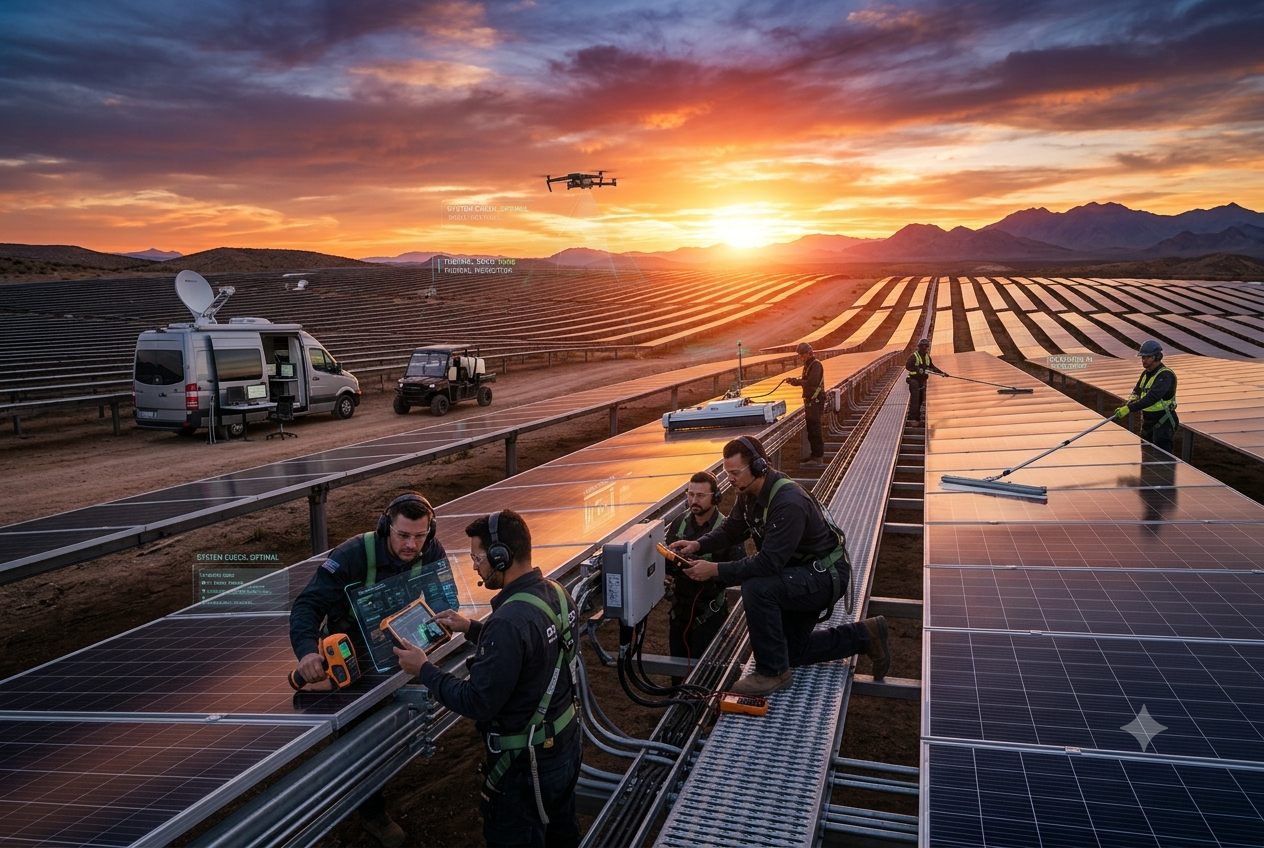
This guide explains what to maintain, how often to clean, what you can do safely yourself, and when professional help is needed.
Why Tamil Nadu needs regular solar maintenance
Coastal salt air: Areas near the Bay of Bengal can experience salt buildup and gradual corrosion of exposed metal components.
Dry-season dust: From February to May, fine dust can reduce the sunlight reaching the panels.
Monsoon debris: Rain helps wash away dust but may leave leaves, twigs, bird droppings, and silt around the panels.
Solar remains an excellent investment in Tamil Nadu, but an “install and forget” approach can reduce long-term performance.
How much power can dirt reduce?
Even a thin layer of soiling can reduce generation over time. The longer panels remain dirty, the greater the potential loss — especially during dry periods and after dust events.
Typical situations: 2–3 weeks without cleaning may cause noticeable losses; a full dry-season month without cleaning can cause much larger reductions in dusty urban areas.
How often should you clean your panels?
Location type — Recommended interval
Coastal areas / ECR / OMR — Every 2–3 weeks.
Urban Chennai with heavy dust — Every 3–4 weeks.
Suburban or less dusty areas — Every 4–6 weeks.
After monsoon — One thorough cleaning.
After dust storms or nearby construction — Clean as soon as practical.
Panels with a tilt of 10° or more shed some loose dust with rain. Flat-mounted panels generally need more frequent cleaning.
DIY cleaning: what’s safe Clean in the early morning or evening, not during peak heat. • Use plain water and a soft brush or microfibre cloth. • Avoid detergents, abrasive scrubbers, and high-pressure jets. • Avoid hard water where possible to prevent mineral deposits. • If the roof is steep, high, wet, or difficult to access, call a professional.
When should you call a professional?
Professional support is recommended for tall buildings, steep or unsafe roofs, coastal systems requiring corrosion checks, and panels showing cracks, discoloration, or hot spots.
Annual inverter checks and wiring inspections can also identify issues that routine cleaning cannot.
Maintenance people often forget:
1. Inverter vents: Dust can cause overheating and reduced output.
2. Mounting structure: Check bolts and metal components for corrosion or looseness.
3. Cables and junction boxes: Inspect seals before and after heavy monsoon conditions.
4. Generation monitoring: A sudden unexplained drop in output can be an early warning of a problem.
A simple year-round checklist:
1. February–May: Clean every 2–4 weeks depending on dust levels and monitor generation.
2. June–September: Check for leaves, debris, and blocked drainage during the monsoon.
3. October: Complete a thorough cleaning and visual inspection.
4. Annually: Service the inverter and inspect connectors, mounting hardware, and corrosion where relevant.
Is an AMC worth it?
For many households, occasional DIY cleaning plus one professional inspection a year may be enough. For commercial rooftops, larger systems, or coastal properties, an AMC combining cleaning, inspections, and performance monitoring can be a practical choice.
Conclusion
Regular maintenance helps a solar system deliver reliable performance throughout its life. Cleaning is important, but so are inverter checks, cable inspections, mounting hardware, and generation monitoring.
Daystar Solar has been designing, installing, and maintaining rooftop solar systems across Chennai and Tamil Nadu since 2012. If you need a system health check or a maintenance plan suited to your roof and location, contact our team. Ready for uninterrupted solar performance? contact us: 91766 68630 or prefer to mail: service@daystarsolar.co.in